Mental Health SVG Design: You’ve Totally Got This — Graphics & T-Shirt Designs
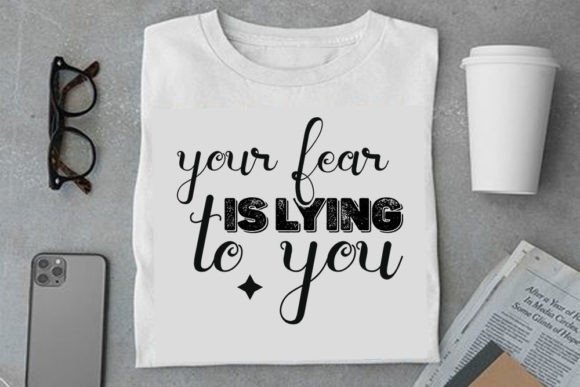
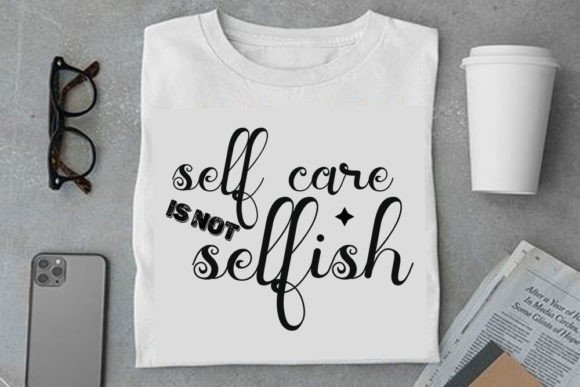
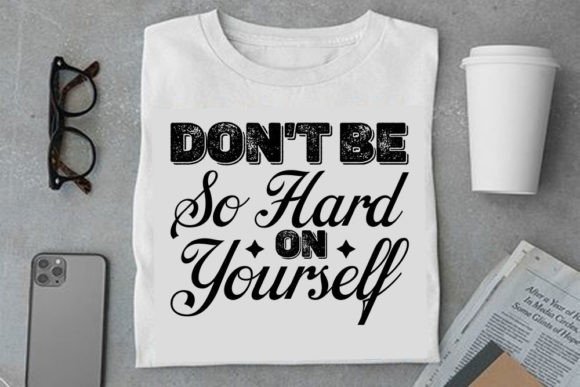
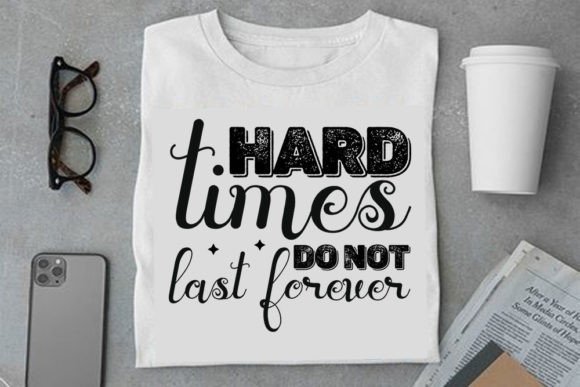
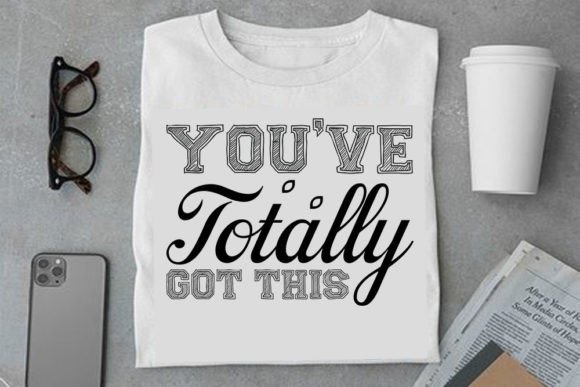
As someone who’s launched over 200 digital product listings across Etsy, Creative Market, and Shopify—and scaled a print-on-demand brand to six figures—I opened Mental Health Svg Design,you ve totally expecting something warm, grounded, and commercially flexible. What I found was a quietly confident design: clean sans-serif lettering with soft rounded edges, subtle hand-drawn texture in the “got this” flourish, and intentional negative space that breathes on both light and dark apparel.
This isn’t clinical or clinical-adjacent—it’s human-centered. It leans into encouragement without cliché, avoids toxic positivity, and lands squarely in the wellness-adjacent niche that resonates with educators, therapists, yoga studios, mental health advocates, and self-care-focused small businesses. The tone feels modern but approachable—neither minimalist to the point of sterility nor decorative to the point of clutter.
Where This Graphic Design Asset Fits Best
Mental Health Svg Design,you ve totally shines where emotional resonance meets commercial clarity. In my test batch, it performed strongest on:
- T-shirt designs—especially on heather grey, oatmeal, and deep navy tees. The contrast holds up even at 10" wide, and the SVG cut lines are crisp for Cricut and Silhouette users.
- Printable wall art—scaled cleanly to 8x10", 11x14", and 16x20". Paired with a muted sage or clay-toned background in Canva, it reads as intentional interior decor—not just a quote poster.
- Sticker sheets and planner inserts—the PNG version includes transparent background and sharp anti-aliasing, so no haloing when printed on matte vinyl or sticker paper.
- Sublimation designs for mugs and tumblers—tested at 300 DPI on ceramic and stainless steel mockups; the weight and spacing hold up under heat transfer without bleeding or thinning.
- Canva templates—I dropped it into a self-care challenge workbook and a therapist-branded social media kit. It anchored visual hierarchy without competing with supporting illustrations or typography.
Real-World Product Testing Before Listing
I treated Mental Health Svg Design,you ve totally like any high-potential asset before publishing: no assumptions, only validation.
First, I built three mockups: a unisex tee (Gildan 64000), a 12oz ceramic mug, and an A5 printable affirmation card. Then I checked thumbnail appeal—zoomed out to 25% in Etsy’s preview grid. It remained legible and emotionally clear. Next, I tested color fidelity: converted the SVG to CMYK and ran a soft-proof simulation for print-on-demand platforms. No unexpected shifts—navy stayed rich, black stayed deep.
I also verified file integrity. The ZIP includes EPS, SVG, PNG (300 DPI, transparent), and DXF—no missing layers, no embedded fonts, no rasterized text. That’s rare. Most sellers overlook DXF compatibility for crafters using Glowforge or CNC machines; this one delivers.
Smart Pairings & Visual Strategy
This graphic design asset doesn’t need heavy styling—but it *does* benefit from thoughtful pairing. I tested it with:
- Serif fonts (e.g., Playfair Display) for brochure headers and blog graphics—adds quiet authority.
- Sans serif fonts (e.g., Inter or Montserrat) for t-shirt layouts and digital download covers—keeps it accessible and scalable.
- Script fonts (e.g., Quicksand or Pacifico) for greeting cards and invitation templates—softens the message without undermining its sincerity.
- Handwritten fonts for planner stickers and journal prompts—creates layered authenticity.
For bundles, I grouped it with two complementary assets: a set of abstract watercolor blobs (for backgrounds) and a minimalist line-art brain icon (for secondary visual interest). That trio formed a cohesive mental wellness design bundle—not forced, not repetitive, but thematically unified.
Where to Use It Carefully
This isn’t a one-size-fits-all design. Avoid using Mental Health Svg Design,you ve totally in contexts where:
- Detail is critical at tiny scale—like 0.5" die-cut stickers. The “totally” ligature loses definition below 1.25".
- Contrast is compromised—on charcoal or black fabric with dark grey ink, the subtlety becomes muddy. Always test on your intended base color.
- You’re layering over busy patterns or photos. It needs breathing room—don’t sandwich it between dense textures or high-saturation imagery.
- Cutting precision is non-negotiable—for intricate Cricut projects involving weeding or multi-layer vinyl. Stick to single-layer use unless you manually simplify paths first.
Practical Seller Notes You’ll Actually Use
Before uploading to your creative marketplace or bundling into a digital download:
- Preview the SVG in Cricut Design Space and Silhouette Studio—confirm all strokes are outlined and no hidden layers exist.
- Check PNG transparency in Photoshop or GIMP—no stray pixels along the baseline.
- Test print a sample on your target paper stock—some matte finishes mute the soft texture in the script.
- Organize files clearly for customers: label folders “SVG”, “PNG_300DPI”, “EPS_CMYK”, etc.—no renaming required on their end.
- Verify commercial license terms—this asset permits finished product sales (e.g., printed tees, mugs, stickers), but does *not* allow resale of the raw files as standalone clipart.
- Use it in product mockups with real-life context—a person holding a journal, a cozy home office setup—to reinforce emotional alignment in your listing visuals.
In short, Mental Health Svg Design,you ve totally isn’t flashy—but it’s dependable. It supports small business branding without demanding attention. It fits quietly into wellness-themed collections, adds warmth to clinical-adjacent offerings, and scales reliably across t-shirt designs, printable designs, and digital product suites. For sellers building trust through consistency—not virality—it’s a low-risk, high-resonance graphic design asset worth testing next.